What is a Star?
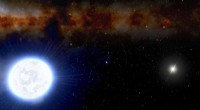
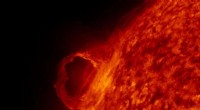
* Giant Balls of Hot Gas: Stars are massive, luminous spheres of plasma (ionized gas) held together by their own gravity.
* Nuclear Fusion: They generate energy through nuclear fusion, where hydrogen atoms fuse to form helium, releasing tremendous amounts of light and heat.
* Lifecycles: Stars have lifecycles that can span billions of years, evolving through different stages from birth to death.
Why We Only See Them at Night:
* Sun's Brightness: During the day, the Sun's light overwhelms the much fainter light from distant stars. Our atmosphere scatters the Sun's light, making the daytime sky appear bright.
* Earth's Rotation: As Earth rotates, we face different parts of the sky. At night, we're facing the side of Earth that's turned away from the Sun, allowing us to see the stars.
Important Note: While stars are always present in the sky, we can only see them at night because the Sun's brightness obscures them during the day.