1. Temperature:
* Stars: Stars have incredibly high temperatures, reaching millions of degrees Celsius. This extreme heat provides enough energy to strip electrons from atoms, creating a sea of charged particles (ions and electrons) that define plasma.
* Earth: The Earth's surface temperature is relatively low, around 15°C on average. This is far too cool to ionize atoms, except in very specific circumstances.
2. Density:
* Stars: The immense gravitational force of stars compresses their matter, resulting in incredibly high densities. These high densities contribute to the high temperatures and further facilitate ionization.
* Earth: Earth's atmosphere and surface have relatively low densities, making it difficult to sustain plasma conditions.
3. Ionization:
* Stars: The high temperature and density in stars create conditions where atoms readily lose electrons and become ionized. This process results in a collection of charged particles that can conduct electricity and interact with magnetic fields, defining plasma.
* Earth: Ionization on Earth is primarily limited to specific areas like the upper atmosphere (ionosphere) where radiation from the sun interacts with the air, or in specialized environments like fluorescent lights.
4. Gravity:
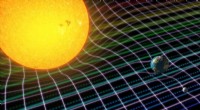
* Stars: The immense gravity of stars holds the plasma together, preventing it from dissipating.
* Earth: Earth's gravity is much weaker, and without a strong gravitational force, plasma would quickly dissipate.
Examples of Plasma on Earth:
While not common, plasma can be found on Earth in the following instances:
* Lightning: The extreme temperatures and ionization caused by lightning strikes create a temporary plasma channel.
* Auroras: The interaction of solar wind with Earth's magnetic field causes ionization in the upper atmosphere, resulting in the colorful displays of auroras.
* Fluorescent Lights: These lights contain a small amount of plasma that emits light when excited by an electrical current.
* Plasma TVs: Older plasma TVs used a small amount of plasma to create images on the screen.
In conclusion, the extreme temperatures, densities, and gravitational forces found in stars make plasma the dominant state of matter. Earth's relatively cool and low-density environment limits plasma formation to specific localized events and specialized environments.