Here's how you can find out if and how to see Comet 45P:
1. Check for Visibility Updates:
* Spaceweather.com: This website provides updates on current celestial events, including comet sightings. You can find information on the current location and brightness of Comet 45P.
* Astronomy Magazine: This magazine often has articles on comets, including visibility predictions and observing tips.
* Stellarium: This free planetarium software allows you to simulate the night sky from any location on Earth and see the current position of Comet 45P.
2. Understand its Visibility:
* Brightness: Comet 45P usually reaches a magnitude of around 6-8, which is too faint to be seen with the naked eye under most conditions.
* Location: The comet's position in the sky changes constantly due to its orbit. Check online resources for its current location and whether it's visible from your location.
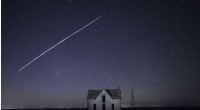
* Light Pollution: Light pollution from cities can significantly hinder your ability to see faint objects like comets. Look for dark skies away from city lights.
3. Observe with Proper Equipment:
* Binoculars: A pair of binoculars with at least 10x magnification will be helpful to see the comet.
* Telescope: A telescope will provide a better view, especially if the comet is faint.
* Dark Skies: Choose a location with minimal light pollution for optimal viewing.
4. Be Patient:
* Patience is key! Observing comets requires patience and a bit of luck.
* Don't expect a spectacular show. Comets can be faint and difficult to see, even with binoculars or a telescope.
5. Remember:
* Safety First: Be cautious when observing the night sky. Find a safe location and avoid tripping hazards.
* Enjoy the experience: Even if you can't see the comet with your naked eye, observing the night sky with binoculars or a telescope is a rewarding experience.
Note: The visibility of Comet 45P varies depending on its location in its orbit and the brightness of the sky. It's always best to consult current astronomy resources for the most up-to-date information on its visibility.