Scientifically:
* The atmosphere: The sky is the vast expanse of air surrounding the Earth. This atmosphere is composed of various gases, including nitrogen, oxygen, and carbon dioxide.
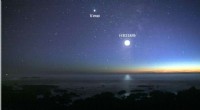
* The celestial vault: This is a more poetic definition, envisioning the sky as a dome above us. It includes all the celestial objects we can see, like the sun, moon, stars, and planets.
Perceptually:
* The blue expanse above us: Most people associate the sky with its blue color, especially during the day. This blue is caused by the scattering of sunlight by air molecules.
* A canvas for weather: The sky constantly changes, exhibiting various colors and patterns depending on the weather conditions. We see clouds, rain, rainbows, lightning, and other atmospheric phenomena.
Symbolically:
* A representation of vastness and infinity: The sky is often used as a symbol of something limitless, boundless, and beyond our comprehension.
* A place of dreams and aspirations: The sky is often associated with hopes and dreams, representing a place where anything is possible.
Ultimately, the definition of the sky depends on the context. It can be a scientific concept, a visual phenomenon, or a powerful symbol.