1. Location:
* Dark skies: Light pollution from cities and towns significantly obscures the Milky Way. You need to get away from these areas to see it properly.
* Away from the equator: The Milky Way appears brightest and most prominent near the equator. As you move away from the equator, it appears lower in the sky and may be obscured by the horizon.
* Southern Hemisphere: The Milky Way is most prominent in the Southern Hemisphere, especially during summer months.
2. Timing:
* Summer months: This is generally the best time to see the Milky Way in both the Northern and Southern Hemispheres.
* New Moon or no moon: The light from the moon can wash out the Milky Way's faint glow.
* Clear skies: Obviously, you need a clear night without any clouds blocking your view.
3. Finding the Milky Way:
* Use a star chart or app: These can help you locate the Milky Way's position in the sky based on your location and time.
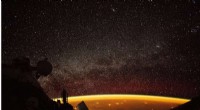
* Look for a band of faint light: The Milky Way appears as a hazy band of light stretching across the sky.
Specific times for optimal Milky Way viewing in each hemisphere:
Northern Hemisphere:
* Summer: The Milky Way is visible in the early evening hours from June to August, particularly in the eastern sky.
* Late Spring: The Milky Way is still visible, but less prominent, from late May to June.
Southern Hemisphere:
* Winter: The Milky Way is most prominent in the winter months, especially from June to August. It stretches across the sky from north to south, with the Milky Way's core visible near the Southern Cross constellation.
Remember that these are general guidelines. The exact timing and visibility of the Milky Way can vary depending on your location and the specific time of year.