1. Distance from the Sun:
* The most significant factor: The closer a planet is to the sun, the more light and warmth it receives. This is because the intensity of sunlight decreases with the square of the distance. So, a planet twice as far from the sun will receive only one-quarter of the sunlight.
2. The Sun's Output:
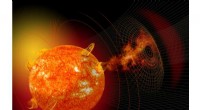
* Variable over time: The sun's energy output isn't constant. It goes through cycles of increased and decreased activity, influencing the amount of light and heat received by planets.
3. Planetary Tilt:
* Seasonal variations: The angle at which a planet's axis is tilted relative to its orbital plane affects the distribution of sunlight throughout the year. This creates seasons with varying lengths of daylight and temperatures.
4. Planetary Albedo:
* Reflectivity: The reflectivity of a planet's surface (its albedo) also plays a role. Planets with higher albedo, like those covered in ice or clouds, reflect more sunlight back into space, receiving less heat. Conversely, darker surfaces absorb more sunlight and heat up.
5. Planetary Atmosphere:
* Greenhouse effect: The composition of a planet's atmosphere can significantly influence its temperature. Greenhouse gases like carbon dioxide trap heat radiated from the planet's surface, leading to a warmer climate.
6. Planetary Rotation:
* Day-night cycle: The speed of a planet's rotation affects the duration of day and night. This influences the amount of time a particular region receives direct sunlight and the extent of temperature fluctuations.
In summary, a planet's distance from the sun, the sun's activity, the planet's tilt, albedo, atmosphere, and rotation all contribute to the amount of light and warmth it receives.