1. Inner Planets (Terrestrial Planets):
* Mercury: Smallest and closest to the Sun. Rocky, heavily cratered surface, no atmosphere.
* Venus: Hottest planet due to a thick atmosphere of carbon dioxide. Rocky surface with volcanoes and mountains.
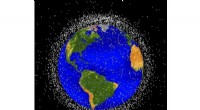
* Earth: The only known planet with life. Has a liquid water surface, active geology, and an atmosphere.
* Mars: Reddish color due to iron oxide on its surface. Thinner atmosphere than Earth, with evidence of past liquid water.
Key Features:
* Rocky composition: Made primarily of rock and heavy metals.
* Solid surface: Have a distinct, solid surface.
* Dense: High density compared to outer planets.
* Few or no moons: Have a small number of moons (Earth: 1, Mars: 2).
* Smaller size: Smaller in size and mass compared to outer planets.
2. Outer Planets (Jovian Planets):
* Jupiter: Largest planet, known for its Great Red Spot (a giant storm). Mostly composed of hydrogen and helium.
* Saturn: Famous for its prominent ring system. Also composed primarily of hydrogen and helium.
* Uranus: Lies on its side, unique among the planets. Has a faint ring system and a cold, icy atmosphere.
* Neptune: The windiest planet in the solar system, with a blue atmosphere. Also has a faint ring system and is composed primarily of hydrogen, helium, and ice.
Key Features:
* Gas Giants: Composed primarily of hydrogen and helium gas.
* No solid surface: Lack a distinct, solid surface.
* Low density: Less dense than terrestrial planets.
* Many moons: Have a large number of moons (Jupiter: 79, Saturn: 82).
* Larger size: Much larger in size and mass compared to terrestrial planets.
Other Classifications:
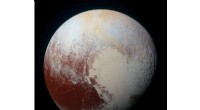
* Dwarf Planets: Objects that orbit the Sun but haven't cleared their orbital neighborhood (e.g., Pluto, Ceres).
* Exoplanets: Planets orbiting stars outside our solar system. Their classifications are based on their size, mass, composition, and orbital characteristics.
This classification system helps us understand the diverse nature of planets in our solar system and beyond, highlighting the different ways they formed and evolved.