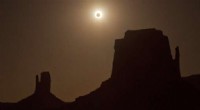
The Moon:
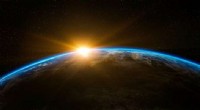
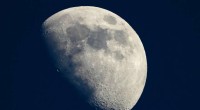
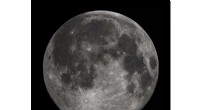
* Formation: The most widely accepted theory is the Giant Impact Hypothesis. This theory suggests that a Mars-sized object collided with a young Earth, ejecting a massive amount of debris. This debris coalesced over time to form the Moon.
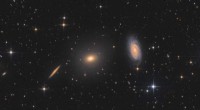
Stars:
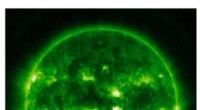
* Formation: Stars are born within nebulae, vast clouds of gas and dust. Gravity pulls these clouds together, causing them to collapse and heat up. As the cloud collapses further, it spins faster and forms a rotating disk. At the center of this disk, the core becomes extremely hot and dense, eventually igniting nuclear fusion and forming a star.
Key differences:
* Composition: The Moon is primarily composed of rock and dust, while stars are mostly made of hydrogen and helium.
* Light source: The Moon reflects sunlight, while stars produce their own light through nuclear fusion.
* Age: The Moon is about 4.5 billion years old, while stars have varying lifespans depending on their size and mass.
Mythology and Folklore:
Many cultures around the world have created fascinating myths and legends about the Moon and stars. These stories often reflect their understanding of these celestial bodies and their role in the universe.
While science provides a clear explanation for the origins of the Moon and stars, the mystery and wonder they inspire continues to captivate us.