1. Life Cycle:
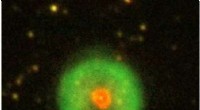
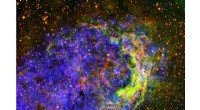
* Stars: Stars are born in nebulae, go through stages of development (main sequence, red giant, white dwarf/supernova), and eventually die out.
* Humans: Humans are born, grow, develop, age, and eventually pass away.
2. Energy and Light:
* Stars: Stars are giant balls of burning gas that emit light and heat.
* Humans: Humans are also sources of energy, though on a much smaller scale. We consume food to fuel our bodies and emit heat. We also produce light in the form of fire and artificial light sources.
3. Composition:
* Stars: Stars are primarily composed of hydrogen and helium, the most abundant elements in the universe.
* Humans: Humans are primarily composed of water, carbon, hydrogen, oxygen, nitrogen, calcium, and phosphorus, which are also abundant elements found throughout the universe.
4. Influence and Impact:
* Stars: Stars guide navigators, influence tides, and provide warmth and light.
* Humans: Humans leave their mark on the world through art, science, technology, and the relationships they build.
5. Beauty and Wonder:
* Stars: Stars inspire awe and wonder with their beauty and vastness.
* Humans: Humans are capable of great beauty, creativity, and compassion, which can inspire awe and wonder in others.
6. Uniqueness:
* Stars: Every star is unique, with its own size, color, and lifespan.
* Humans: Every human is unique, with their own personality, experiences, and perspectives.
7. Potential for Growth:
* Stars: Stars can evolve and change over time.
* Humans: Humans have the capacity to learn, grow, and change throughout their lives.
It's important to remember that these are just analogies. Stars and humans are fundamentally different, but they share some interesting similarities that can help us appreciate the interconnectedness of the universe.