Here's why:
* Historically: Before telescopes, astronomers couldn't distinguish between the different types of novae. Any star that suddenly appeared bright in the sky was called a "new star".
* Modern understanding: We now know that there are several types of novae, each with its own cause and characteristics:
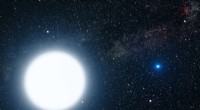
* Classical novae: These are the most common type. They occur in binary star systems where a white dwarf star pulls matter from a companion star. This matter builds up on the white dwarf until it triggers a thermonuclear explosion, creating a bright outburst.
* Recurrent novae: Similar to classical novae but with repeated explosions.
* Supernovae: While sometimes called "supernovae", these are much more powerful explosions than novae. They occur when a star runs out of fuel and collapses under its own gravity.
So, even though the term "new star" is somewhat outdated, it's still used to refer to any nova-like event, including classical novae, recurrent novae, and even supernovae.