1. The Sun's Composition:
* The sun primarily consists of hydrogen (H) and helium (He), with traces of heavier elements like oxygen (O), carbon (C), nitrogen (N), neon (Ne), iron (Fe), and silicon (Si).
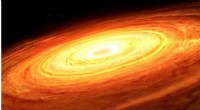
* This composition reflects the material that was present in the protoplanetary disk, including the inner 0.3 AU.
2. Meteorites and Comets:
* Primitive meteorites (chondrites) are thought to have formed in the early solar system and provide clues about its composition. They contain various minerals like olivine, pyroxene, and iron-nickel sulfides, as well as water ice and organic compounds.
* Comets are icy bodies that likely formed further out in the solar system, but their composition suggests a wide variety of volatile substances like water (H₂O), carbon dioxide (CO₂), methane (CH₄), and ammonia (NH₃).
3. The Nebular Hypothesis:
* This theory explains the formation of the solar system. It suggests that the protoplanetary disk was composed of gas and dust, with the inner region dominated by refractory materials (elements with high boiling points) like iron, nickel, and silicates. These materials would have been heated to high temperatures by the young Sun.
* As the disk cooled, volatile materials (elements with low boiling points) like water ice, methane, and ammonia would have condensed further out, beyond the frost line, which is estimated to have been around 5 AU.
Therefore, the inner 0.3 AU likely contained:
* Gases: Primarily hydrogen (H) and helium (He), with smaller amounts of oxygen (O), carbon (C), nitrogen (N), and neon (Ne).
* Dust: Refractory minerals like iron, nickel, and silicates, which would have been heated to high temperatures by the young Sun.
* Some volatile materials: While most volatile materials likely condensed further out, some traces of water ice and organic compounds may have been present in the inner region.
Note: The exact composition and distribution of these substances within the inner 0.3 AU would have been highly variable and constantly changing due to the intense heat from the young Sun, collisions, and gravitational forces.