Here's a breakdown:
* Sunlight: The sun emits a massive amount of light and energy.
* Reflection: When sunlight hits a planet, a portion of it is reflected back into space.
* Observation: We see this reflected sunlight, which allows us to observe the planets.
Why we can see some planets better than others:
* Distance: The closer a planet is to the sun, the more sunlight it receives and reflects, making it brighter and easier to see.
* Size: Larger planets have a greater surface area to reflect sunlight.
* Composition: Planets with reflective surfaces, like icy or rocky ones, reflect more sunlight than planets with dark surfaces.
It's important to note:
* We don't actually see planets in their true color because the atmosphere filters some of the wavelengths of light.
* We often see planets as faint points of light, especially the outer planets like Uranus and Neptune, which are very far away.
Technology helps us see planets even better:
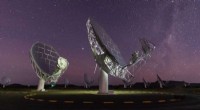
* Telescopes: These instruments gather and focus light, allowing us to see fainter objects and more detail.
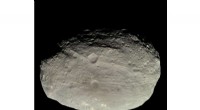
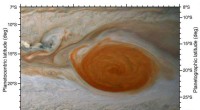
* Spacecraft: By sending probes to planets, we can get even closer and capture detailed images of their surfaces and atmospheres.