Here's the breakdown:
Stars DO move in the very long term:
* Proper motion: Stars have their own individual motions through the Milky Way galaxy. These motions are very slow, taking thousands or even millions of years for a noticeable change in their position in the sky.
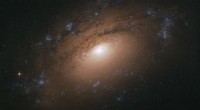
* Galactic rotation: The entire Milky Way galaxy spins, carrying all the stars within it. This also contributes to their movement over vast periods.
Stars DO NOT move in the short term (from our perspective):
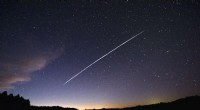
* Apparent motion: The stars appear to move across the sky each night due to the Earth's rotation. It's like watching a merry-go-round – you're stationary, but the horses appear to move in a circle. This is what we call the "apparent motion" of the stars.
The all-stars are the brightest stars in each constellation. They appear fixed because:
* Their proper motion is too slow to notice over a human lifetime. We need very precise measurements and long observation periods to detect this.
* Their apparent motion is due to Earth's rotation, not their own movement.
So, to answer your question, all-stars don't really move in the sky in the way we usually think of movement. They appear to move because of Earth's rotation, and they do have very slow, long-term motions due to their own movement in the galaxy.