1. Access to Space:
Satellites and space probes allow astronomers to place instruments and telescopes into space, where they can observe objects in the universe without the interference of the Earth's atmosphere. The atmosphere absorbs certain wavelengths of light, distorts images, and introduces distortions called atmospheric turbulence, which limits the quality of observations made from the ground. By placing instruments above the atmosphere, astronomers can obtain clearer, more detailed images and measurements.
2. Remote Sensing and Data Collection:
Satellites and space probes can carry specialized instruments and sensors that enable them to collect a wide range of data about celestial objects. For example, they can detect and measure different wavelengths of light, including ultraviolet, infrared, and X-rays, which are not visible to the human eye. This data provides valuable information about the physical properties, composition, and behavior of celestial objects.
3. Exploration of Distant Objects:
Satellites and space probes allow astronomers to study objects in the outer reaches of our solar system and beyond. They can travel far beyond the reach of Earth-based telescopes, providing close-up observations of planets, moons, asteroids, comets, and other celestial bodies. Space missions such as the Voyager 1 and 2 probes have explored the outer planets and provided valuable insights into the formation and evolution of our solar system.
4. In-situ Measurements and Sample Return:
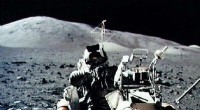
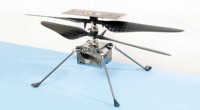
Some space missions involve sending probes or landers to the surface of other planets, moons, or asteroids to conduct in-situ measurements and collect samples. These missions enable scientists to obtain detailed information about the geology, composition, and environmental conditions of these distant worlds. The Mars rovers, such as Curiosity and Perseverance, have provided unprecedented insights into the past climate, geology, and potential habitability of Mars.
5. Discoveries and Unforeseen Phenomena:
Satellites and space probes often lead to unexpected discoveries and observations. By exploring uncharted territories in the universe, these missions have revealed phenomena that were previously unknown or unpredicted. For example, the Hubble Space Telescope has discovered new galaxies, quasars, and other astronomical objects, expanding our understanding of the scale and complexity of the universe.
6. Long-Term Monitoring and Time-Lapse Observations:
Satellites and space probes can provide continuous observations and long-term monitoring of celestial objects. This allows astronomers to study changes and phenomena that occur over extended periods, such as weather patterns on planets, variations in stellar brightness, and the evolution of galaxies.
7. International Collaboration:
Satellites and space probes often involve international collaboration and cooperation among scientists and space agencies from different countries. These collaborations pool expertise, resources, and funding, enabling ambitious missions that would be difficult or impossible to achieve by a single country alone.
In summary, satellites and space probes are essential tools in modern astronomy. They have allowed astronomers to make groundbreaking discoveries, explore the vast expanse of the universe, and gain a deeper understanding of the cosmos and our place in it.