Size of the Sun:
- Diameter: Approximately 1.391 million kilometers (865,000 miles)
- Volume: About 1.412 million times that of Earth
Comparative Sizes:
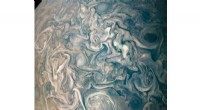
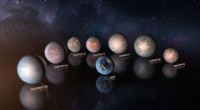
- Planets: The Sun's diameter is vast compared to any of the planets. Jupiter, the largest planet in our solar system, is about 11 times wider than Earth, but its diameter is still only roughly 1/10th that of the Sun.
- Asteroids and Comets: Asteroids and comets are minuscule in comparison to the Sun. Their diameters can range from a few meters to a few kilometers, whereas the Sun's diameter is nearly a million kilometers.
- Dwarf Planets: Dwarf planets like Pluto and Eris have diameters of a few thousand kilometers, but this is still several orders of magnitude smaller than the Sun's immense diameter.
- Stars: While massive compared to planets within our solar system, the Sun is a relatively small star. There are numerous other stars in the universe that significantly outshine and dwarf our own Sun.
The Sun's enormous size and mass have a profound impact on the stability, orbit, and characteristics of all the celestial bodies within the solar system. Its gravitational influence dictates the patterns and movements of planets, moons, comets, and other objects, all of which revolve around it in their respective paths.