Asteroids:
1. Size: Asteroids range in size from a few meters to hundreds of kilometers in diameter. Smaller asteroids are sometimes referred to as "minor planets."
2. Composition: Asteroids can be classified based on their composition into three primary types:
- C-type (carbonaceous): Most common, made of carbon-rich material and dark in appearance.
- S-type (silicate): Composed primarily of silicate minerals, appear brighter.
- M-type (metallic): Contain high amounts of metals like iron and nickel.
3. Orbit: Asteroids primarily orbit the Sun in the asteroid belt, although some have orbits that bring them closer to Earth or other planets.
Meteors:
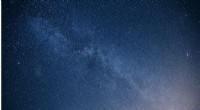
1. Size: Meteors are small particles of dust and rock that range in size from tiny grains to several meters across. They are sometimes called "shooting stars."
2. Origin: Meteors originate from various sources, including fragments of asteroids or comets, or dust left behind by comets.
3. Entry into Earth's Atmosphere: When a meteor enters Earth's atmosphere, it heats up due to friction and becomes a bright streak of light in the sky.
4. Meteorite, Meteoroid, Meteor:
- Meteoroid: A meteoroid is a small piece of debris in space, a fragment of an asteroid or comet.
- Meteor: When a meteoroid enters Earth's atmosphere and begins to glow due to heat and friction, it becomes a meteor or shooting star.
- Meteorite: If a meteoroid or a fragment of a meteor reaches Earth's surface without completely disintegrating, it is called a meteorite.
By studying the properties, orbits, and compositions of asteroids and meteors, scientists gain valuable insights into the formation and evolution of our solar system.