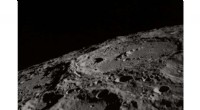
Gravitational Influence: The Sun and Earth are connected through gravitational forces. The gravitational pull of the Sun keeps Earth in orbit around it, maintaining the planet's year-long journey. Similarly, the gravitational interactions between the Earth and the Moon govern tidal forces on Earth.
Tidal Effects: The gravitational influence of the Moon and Sun on Earth's oceans leads to the rise and fall of tides. The combined gravitational forces of the Moon and Sun during certain alignments create high tides, while their opposing alignments result in low tides.
Eclipses: The positions of the Sun, Moon, and Earth create celestial events known as eclipses. A solar eclipse occurs when the Moon passes directly between the Sun and Earth, obscuring the Sun's light in specific regions. On the other hand, a lunar eclipse happens when the Earth positions itself between the Sun and the Moon, casting its shadow onto the lunar surface.
Sun-Moon-Earth Alignment: The relative positions of the Sun, Moon, and Earth can be observed from Earth's surface. When the Sun and Moon are perfectly aligned with Earth (known as a syzygy), either a lunar eclipse or a solar eclipse can occur.
Earth-Moon-Sun Relationships: The relationship between Earth, Moon, and Sun also affects seasonal changes on Earth. The tilt of Earth's axis in combination with its orbit around the Sun leads to different amounts of sunlight reaching various parts of the planet. This variation in solar radiation results in the seasons we experience on Earth.
Solar and Lunar Cycles: The Sun and Moon exhibit their own characteristic cycles. The Sun undergoes a regular 11-year cycle of activity, with fluctuations in sunspots and solar flares. The Moon, on the other hand, goes through various phases as it orbits Earth, completing a full cycle approximately every 29.5 days.
Understanding these relationships helps scientists predict celestial events, study the dynamics of the Earth-Moon-Sun system, and deepen our knowledge of the broader solar system.