Storm chasing is the pursuit of severe weather, particularly tornadoes, for the purpose of observation and research. Storm chasers are typically meteorologists, weather enthusiasts, or photographers who travel to areas where severe weather is likely to occur in order to document and study the storms.
There are a number of reasons why people chase storms. Some do it for the thrill of the chase, while others do it for the opportunity to learn more about severe weather and help improve our understanding of these storms. Still others chase storms in order to provide real-time information to the public about the location and severity of the storms.
Storm chasing can be a dangerous activity, as severe weather can be unpredictable and can quickly become life-threatening. Storm chasers must take precautions to stay safe, such as staying in their vehicles and avoiding areas where the weather is particularly severe.
Despite the risks, storm chasing can be a rewarding experience. It provides an opportunity to witness some of nature's most powerful forces up close, and it can help to contribute to our understanding of these storms and how to mitigate their effects.
Tools for Studying Twisters
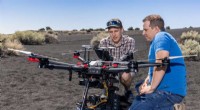
Storm chasers use a variety of tools to study tornadoes, including:
* Mobile weather stations: These devices collect data on wind speed, wind direction, temperature, humidity, and pressure. This data can be used to track the movement and strength of tornadoes.
* Doppler radar: This technology allows storm chasers to see inside a tornado and track its rotation.
* Lightning detectors: These devices can detect the location of lightning strikes, which can help storm chasers to identify areas where tornadoes are likely to form.
* Spotter networks: These networks of trained volunteers provide real-time information about the location and severity of severe weather. This information can be used to help storm chasers track tornadoes and warn the public about potential hazards.
By using these tools, storm chasers can gain a better understanding of tornadoes and how they form. This information can help us to improve our ability to predict and warn of these storms, which can save lives.