1. Habitability of Mars: Mars was once a very different planet, warmer, wetter, and with a thicker atmosphere. Recent missions, such as the NASA Mars 2020 mission with the Perseverance rover, have carefully studied the geology of ancient river deltas and lake beds, looking for evidence of past habitable environments. If life did arise on Mars, these regions would be prime locations to start the search.
2. Biosignatures and Fossils: The search for evidence of ancient life on Mars involves looking for biosignatures, which are chemical or physical traces left behind by living organisms. These could include fossilized remains, stromatolites (layered microbial structures), or certain isotopic ratios that are indicative of biological processes.
3. Genetic Material and Organic Molecules: One major goal of missions like Perseverance is to collect samples of Martian rocks and soil that could potentially contain organic molecules or even preserved genetic material. If such samples are found and successfully returned to Earth, they can undergo sophisticated analysis in state-of-the-art laboratories, increasing our chances of finding evidence of past life.
4. Extremophiles and Adaptation: If life ever existed on Mars, it would likely have been in the form of extremophiles, microorganisms that thrive in harsh and extreme environments similar to those found on Mars today. Studying Earth's extremophiles and their adaptations could provide clues about the potential survival strategies of Martian organisms.
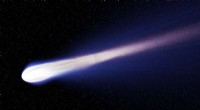
5. Multiple Origins of Life: The discovery of life on Mars would not necessarily mean that it originated there independently. It could also suggest that life originated on another planet, such as Earth, and was then transported to Mars via space debris, meteoroids, or comets carrying microscopic life forms.
6. Implications for Astrobiology: Finding a second genesis of life in our own solar system would have significant implications for astrobiology, the study of the origin, evolution, and distribution of life in the universe. It would suggest that the emergence of life may be a common occurrence in the cosmos and raise questions about the prevalence of habitable environments conducive to life.
While the search for past life on Mars remains an ongoing and challenging endeavor, the possibility of discovering a second genesis of life on another world is a truly fascinating and awe-inspiring prospect that could forever alter our perception of the universe and our place in it.