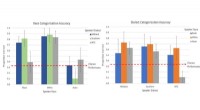
Key findings of the study:
Flexible Work Arrangements:
Offer flexible work arrangements, such as reduced hours, flexible schedules, or telecommuting, which can cater to the changing needs and preferences of older workers.
Provide these options to retain experienced workers and address challenges like health issues or family responsibilities that might impact their ability to work full-time.
Targeted Training and Development:
Invest in targeted training and development programs that address the specific skills and knowledge gaps of older workers.
Regularly assess their needs and update training accordingly to ensure their skills remain relevant in a changing job market.
Promote Continuous Learning:
Encourage continuous learning and professional development among older workers by providing access to educational opportunities.
Offer tuition reimbursement or sponsorship for relevant courses, workshops, and certifications.
Recognize and Reward Experience:
Acknowledge the value of experience and expertise gained by older workers through promotions, bonuses, or other forms of recognition.
Establish mentorship programs where experienced workers can share their knowledge and skills with younger colleagues.
Work-Life Balance Support:
Implement policies that support a healthy work-life balance, such as paid time off, family leave, and stress management resources.
Flexibility in these areas can make it easier for older workers to manage their personal commitments and reduce job-related stress.
Healthcare and Wellness:
Offer comprehensive healthcare benefits and wellness programs to address the health needs of older workers.
Regular health screenings, access to preventive care, and mental health support can help employees stay healthy and productive.
Positive Workplace Culture:
Foster a positive and inclusive workplace culture that values diversity, including age diversity.
Encourage intergenerational collaboration and communication, where older workers can share insights and learn from younger colleagues.
Financial Incentives:
Consider providing financial incentives, such as retention bonuses or phased retirement options, to encourage older workers to stay with the organization.
Recognize the value of their experience and expertise by offering competitive compensation packages.
By implementing these strategies, employers can create an environment that supports longer careers, benefits from the experience and skills of older workers, and fosters a more diverse and inclusive workplace.