Nanotechnology, the manipulation of matter at the atomic and molecular level, is rapidly transforming medical sciences. Its ability to engineer materials at the nanoscale unlocks unprecedented possibilities for diagnosis, treatment, and prevention of diseases. Here's a glimpse into its significance:
1. Diagnostics:
* Early Disease Detection: Nanoparticles can act as highly sensitive and specific biosensors, detecting minute traces of disease markers in bodily fluids. This enables early detection of conditions like cancer, infectious diseases, and genetic disorders.
* Targeted Imaging: Nanomaterials can be engineered to target specific cells or tissues, enhancing imaging techniques like MRI and CT scans. This improves diagnosis accuracy and facilitates personalized treatment plans.
* Point-of-Care Diagnostics: Nanotechnology enables the development of portable and rapid diagnostic devices, allowing for on-site testing and quicker results. This is crucial for remote healthcare and resource-limited settings.
2. Therapeutics:
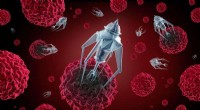
* Drug Delivery Systems: Nanocarriers can deliver drugs directly to target tissues, improving drug efficacy, reducing side effects, and allowing for lower dosages. This is particularly beneficial for treating cancer, brain disorders, and other conditions with difficult-to-reach targets.
* Targeted Therapies: Nanomaterials can be engineered to specifically target disease cells, enhancing their therapeutic effect while minimizing damage to healthy cells. This is revolutionizing cancer treatment and drug development.
* Tissue Engineering and Regeneration: Nanomaterials can serve as scaffolds for tissue regeneration, promoting the growth of new cells and tissues. This holds great promise for treating injuries, birth defects, and organ failure.
3. Preventive Medicine:
* Personalized Medicine: Nanomaterials can be used to develop personalized therapies based on an individual's genetic makeup and disease profile. This allows for targeted interventions and improved patient outcomes.
* Nanoparticles for Vaccination: Nanomaterials can enhance vaccine effectiveness by facilitating controlled antigen delivery and stimulating the immune system. This could lead to more potent and long-lasting vaccines.
Challenges and Future Directions:
While the potential of nanotechnology in medical sciences is vast, there are challenges that need to be addressed:
* Safety Concerns: The potential toxicity of nanoparticles and their long-term effects on human health require careful evaluation and research.
* Regulation and Ethical Considerations: The use of nanomaterials in medicine necessitates robust regulations and ethical frameworks to ensure safety and responsible development.
* Cost and Accessibility: The development and implementation of nanotechnology-based therapies often require significant investment, which could limit their accessibility to all patients.
Conclusion:
Nanotechnology is poised to revolutionize medical sciences, offering solutions to long-standing challenges and enabling the development of novel diagnostics, treatments, and preventative measures. As research progresses and challenges are addressed, nanotechnology will continue to play a crucial role in improving human health and well-being.