Here's a breakdown of how nanotechnology can be used to address diseases, including some examples:
1. Targeted Drug Delivery:
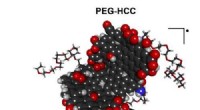
* How: Nanomaterials like liposomes, nanoparticles, and dendrimers can be designed to carry drugs specifically to diseased cells, reducing side effects and increasing effectiveness.
* Examples:
* Cancer Treatment: Nanocarriers can deliver chemotherapy drugs directly to tumor cells, minimizing damage to healthy tissue.
* Infectious Disease Treatment: Nanoparticles can deliver antibiotics to bacteria and viruses, combating infections more effectively.
2. Imaging and Diagnostics:
* How: Nanomaterials can be used to create highly sensitive imaging agents that allow doctors to detect diseases at earlier stages.
* Examples:
* Early Cancer Detection: Nanoparticles can detect cancer cells at very low concentrations, enabling early diagnosis and treatment.
* Alzheimer's Disease: Nanomaterials can help visualize amyloid plaques in the brain, aiding in diagnosis and understanding of the disease.
3. Tissue Engineering and Regeneration:
* How: Nanomaterials can be used to create scaffolds that mimic the structure of tissues, promoting cell growth and regeneration.
* Examples:
* Bone Repair: Nanomaterials can be incorporated into bone grafts to enhance healing and promote bone regeneration.
* Skin Regeneration: Nanomaterials can be used to create artificial skin for burn victims and other skin injuries.
4. Gene Therapy:
* How: Nanomaterials can be used to deliver genes to cells, potentially correcting genetic defects.
* Examples:
* Cystic Fibrosis: Nanomaterials can deliver genes to lung cells, restoring their function and potentially curing the disease.
* Hemophilia: Nanomaterials can deliver genes to liver cells, enabling the production of clotting factors and treating hemophilia.
Important Considerations:
* Not a Cure-All: While nanotechnology holds tremendous potential, it's important to remember that it's not a magic bullet for all diseases. Some diseases are very complex and may not be suitable for nanotechnology treatment.
* Ongoing Research: Much research is still needed to fully understand the safety and efficacy of nanomaterials in the human body.
* Ethical Concerns: As with any emerging technology, ethical considerations regarding the use of nanotechnology in medicine need to be carefully addressed.
In summary, nanotechnology has the potential to revolutionize medical treatments by improving drug delivery, enabling earlier disease detection, and promoting tissue regeneration. However, it's crucial to understand that it's a complex field with ongoing research and development, and its full impact on disease treatment is yet to be realized.