Here's a breakdown of what nanomicrobiology encompasses:
1. Studying Microbes at the Nanoscale:
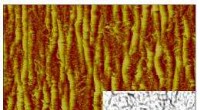
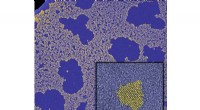
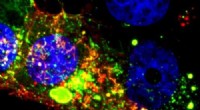
* Seeing the unseen: Nanomicrobiology utilizes sophisticated imaging techniques like atomic force microscopy (AFM) and transmission electron microscopy (TEM) to visualize the intricate details of microbial structures, including their surface features, internal organelles, and even individual molecules.
* Understanding nanoscale interactions: It investigates how microbes interact with their environment at the nanoscale, including how they adhere to surfaces, form biofilms, and communicate with each other.
* Exploring nanoscale mechanisms: Researchers delve into the nanoscale mechanisms of microbial processes like metabolism, gene expression, and antibiotic resistance.
2. Using Nanotechnology for Microbiological Applications:
* Nano-biosensors: Nanomaterials are used to create highly sensitive and specific sensors for detecting microbes and their toxins in food, water, and the environment.
* Nanoparticles for drug delivery: Nanoparticles can be designed to carry antimicrobial drugs directly to infected cells, improving their effectiveness and reducing side effects.
* Nanomaterials for microbial control: Nanomaterials like silver nanoparticles exhibit potent antimicrobial activity, offering potential solutions for controlling bacterial and fungal infections.
* Nanobiotechnology for bioremediation: Nanomaterials can enhance the efficiency of microbes in breaking down pollutants and cleaning up contaminated sites.
3. Key Areas of Research:
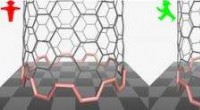
* Nanomaterials and microbial interactions: Understanding how nanomaterials affect microbial growth, metabolism, and virulence.
* Nanotechnology for diagnostics and therapeutics: Developing new diagnostic tools for detecting microbial infections and designing targeted therapies.
* Nanomaterials for bioremediation and environmental applications: Utilizing nanomaterials to enhance microbial processes for cleaning up environmental pollutants.
* Nanobiotechnology for sustainable agriculture: Applying nanotechnology to improve crop yields and combat plant diseases.
In essence, nanomicrobiology is a vibrant field with enormous potential to revolutionize our understanding of microbes and unlock exciting new possibilities for addressing global challenges in health, agriculture, and environmental protection.