Medicine:
* Targeted drug delivery: Nanobots could deliver drugs directly to diseased cells, minimizing side effects and improving treatment efficacy.
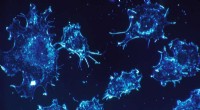
* Cancer treatment: They could be used to kill cancerous cells or to deliver chemotherapy drugs precisely.
* Tissue regeneration: Nanobots could assist in repairing damaged tissues, including bones, nerves, and organs.
* Disease diagnosis: Nanobots could detect disease markers in the body, allowing for early diagnosis and treatment.
* Blood cleaning: Nanobots could remove toxins and harmful substances from the blood, benefiting patients with kidney failure or other conditions.
Manufacturing and Materials Science:
* Advanced materials: Nanobots could be used to create new materials with unique properties, such as enhanced strength, conductivity, or heat resistance.
* Self-healing materials: Nanobots could repair damage in materials, extending their lifespan and reducing waste.
* Precision manufacturing: Nanobots could enable the construction of complex and intricate structures at the nanoscale, revolutionizing manufacturing processes.
Environmental Applications:
* Pollution cleanup: Nanobots could be deployed to remove pollutants from water, air, and soil.
* Carbon sequestration: Nanobots could capture carbon dioxide from the atmosphere and convert it into useful materials.
* Waste recycling: Nanobots could break down waste materials into their constituent components, facilitating recycling and reducing landfill waste.
Other Potential Applications:
* Electronics: Nanobots could be used to create smaller, more powerful, and energy-efficient electronic devices.
* Energy production: Nanobots could facilitate the development of new energy sources, such as solar energy harvesting.
* Cosmetics: Nanobots could be used to deliver skincare products directly to the skin, enhancing their effectiveness.
Challenges and Considerations:
* Safety: Ensuring the safety of nanobots and preventing unintended consequences is crucial.
* Control and communication: Developing effective methods to control and communicate with swarms of nanobots is a significant challenge.
* Ethical considerations: The potential for misuse of nanobots raises ethical concerns, requiring careful consideration and regulation.
Despite these challenges, the potential benefits of nanobots are vast. With continued research and development, these tiny machines could transform our world in countless ways.