1. UV Lamps:
* Low-Pressure Mercury Lamps: These are commonly used for UV sterilization and analytical purposes. They emit a strong peak at 254 nm but also produce some UV light at 365 nm and 380 nm.
* High-Pressure Mercury Lamps: These lamps produce a broader spectrum of UV light, including significant output at 365 nm and 380 nm.
* Special UV LEDs: While not as common, some specialized UV LEDs are designed to emit at specific wavelengths, including 380 nm. These LEDs are becoming increasingly popular due to their energy efficiency and longer lifespan.
2. Lasers:
* Excimer Lasers: These lasers use excimer molecules (like ArF or KrF) to generate high-energy UV light at specific wavelengths, including 193 nm, 248 nm, and 351 nm. While they don't emit precisely at 380 nm, they can be used in various applications requiring UV light.
* Nitrogen Lasers: These lasers emit UV light primarily at 337 nm, but some models can be tuned to produce wavelengths near 380 nm.
3. Other Methods:
* Nonlinear Optics: Techniques like second harmonic generation (SHG) can be used to convert infrared light into UV light.
* Synchrotron Radiation: Synchrotrons produce highly focused beams of X-rays and UV light with a broad range of wavelengths, including 380 nm.
* Plasma Generation: Certain plasma sources can emit UV light at specific wavelengths, including 380 nm.
Factors to Consider:
* Intensity: The required light intensity will determine the appropriate light source. Lasers offer high intensity, while UV LEDs and lamps provide varying levels.
* Stability: Some sources, like lasers, offer high stability, while others, like UV lamps, may have fluctuations in output.
* Cost: Lasers and specialized UV LEDs are generally more expensive than UV lamps.
Applications of 380 nm Light:
* Photochemistry: UV light at 380 nm can trigger various photochemical reactions, used in organic synthesis and polymer production.
* Fluorescence Spectroscopy: This technique utilizes UV light excitation to study the fluorescence properties of molecules.
* Medical Applications: UV light at 380 nm can be used for skin treatments, photodynamic therapy, and specific analytical purposes.
Safety Precautions:
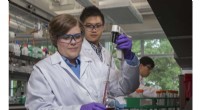
* UV light is harmful to the eyes and skin. Protective eyewear and clothing are essential when working with UV sources.
* UV light can damage sensitive materials and degrade certain polymers. Ensure appropriate shielding and storage measures.