The Basic Concept:
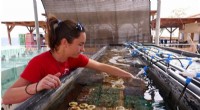
* A miniature Earth: The 3.15-acre structure housed five different biomes: a rainforest, a savanna, a desert, a marsh, and an ocean, each with its own unique flora and fauna.
* Self-sufficiency: The goal was to sustain eight humans and their diverse ecosystems for two years without any external input (except for sunlight). This meant relying on the biomes to recycle air, water, and waste.
* Scientific observation: Researchers monitored the system extensively to understand how the various components interacted and how human presence affected the delicate balance.
Key Components and Processes:
* Air Regeneration: Photosynthesis by plants was expected to generate oxygen, while microbial activity in the soil was supposed to consume carbon dioxide.
* Water Recycling: Rainwater and condensation were collected, purified through biological filters, and reintroduced into the system.
* Waste Management: Organic waste was composted, and human waste was processed through bioreactors.
* Agriculture: The biomes included agricultural areas to produce food for the crew.
Challenges and Outcomes:
* Oxygen depletion: Unexpectedly, oxygen levels plummeted, forcing the crew to inject extra oxygen. The cause was attributed to a combination of factors, including soil microbes consuming oxygen faster than anticipated and decomposition of organic matter releasing carbon dioxide.
* Carbon dioxide buildup: Similarly, carbon dioxide levels increased, partially due to the decomposition processes.
* Ecosystem imbalances: The biomes experienced unforeseen changes in species populations and nutrient cycles.
* Human factors: The experiment revealed the psychological and social challenges of living in a confined and controlled environment.
Legacy and Lessons Learned:
* Advancement in ecological research: Biosphere 2 generated valuable data about closed-loop systems, demonstrating the complex interactions within ecosystems and the resilience of biological systems.
* Understanding the importance of biodiversity: The experiment highlighted the need for a diverse range of species to maintain ecological balance and stability.
* Challenges of human intervention: It underscored the difficulty of accurately replicating natural processes and the unpredictable consequences of introducing human activity into a closed system.
Current Status:
Biosphere 2 is currently operated by the University of Arizona and used for scientific research and education. It remains a unique facility for studying ecological processes, environmental monitoring, and human-nature interactions.
Key takeaway: Biosphere 2 was a groundbreaking experiment that pushed the boundaries of scientific inquiry into closed ecological systems. While it didn't fully achieve its initial goals, the experiment provided valuable insights into the complexities of life support systems and the importance of biodiversity.