Here are the main differences in the size of crystals between nanocrystalline metals and normal metals:
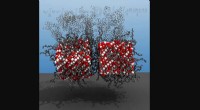
1. Crystallite Size: The most obvious difference is the size of the individual crystallites or grains that make up the metal. In nanocrystalline metals, the crystallite size is typically less than 100 nm, while in normal metals, the crystallite size can be several micrometers or larger.
2. Grain Boundaries: Nanocrystalline metals have a significantly higher grain boundary density due to the smaller crystal size. Grain boundaries are the interfaces between adjacent crystallites, and they play an important role in determining the properties of the metal.
3. Surface-to-Volume Ratio: Nanocrystalline metals have a higher surface-to-volume ratio compared to normal metals. This is because the total surface area of the numerous small crystallites is larger compared to the total surface area of fewer larger crystallites. The increased surface-to-volume ratio can affect the chemical reactivity and physical properties of the metal.
4. Mechanical Properties: Nanocrystalline metals often exhibit improved mechanical properties, such as increased strength and hardness, due to the unique grain structure and the presence of grain boundaries.
5. Thermal Properties: Nanocrystalline metals can exhibit different thermal properties compared to normal metals. For instance, they may exhibit higher thermal conductivity or lower melting temperatures due to the higher grain boundary density and the smaller size of the crystallites.
6. Electrical Properties: The electrical properties of nanocrystalline metals can be significantly different from those of normal metals. Nanocrystalline metals may show higher electrical resistivity due to the increased scattering of electrons at the grain boundaries.
Overall, the reduced crystal size in nanocrystalline metals leads to unique properties that differ from those of normal metals, making them valuable for various applications in fields such as catalysis, sensors, energy storage, and advanced materials.