The invention of the microscope allowed scientists to observed and study microorganisms, a world previously invisible to the naked eye. Microorganisms, including bacteria, fungi, and protozoa, play crucial roles in decomposing organic matter, initiating diseases, and maintaining ecosystems. Their understanding laid the foundation for microbiology and the study of diseases.
2. Cellular biology:
The microscope enabled scientists to observe and identify different types of cells, such as plant cells and animal cells. This paved the way for the development of cell biology and the understanding of the basic unit of life. It became possible to study cellular structures, organelles, and cell division, leading to insights into the intricate processes within cells.
3. Medical advancements:
Microscopy played a critical role in understanding diseases caused by microorganisms. By identifying pathogen, scientists could develop targeted treatments, paving the way for breakthroughs in medicine. The ability to observe cellular processes helped researchers understand how pathogens interact with the host, leading to advancements in immunology, vaccinology, and treatment strategies.
4. Pathology and Histology:
Microscopy allowed scientists to study tissues and organs at a microscopic level, leading to advancements in pathology and histology. Pathologists could identify abnormalities and diagnose diseases by examining tissues under the microscope. This knowledge enhanced the understanding of how diseases affect organs, tissues, and cellular structures.
5. Zoology and Botany:
Microscopy enabled biologists to study the internal structures of plants and animals, leading to advancements in zoology and botany. Scientists could observe the intricate details of organisms, such as their reproductive systems, digestive systems and nervous systems, contributing to a better understanding of their morphology, physiology, and evolution.
6. Material Science:
Microscopy techniques have been instrumental in material science, allowing scientists to analyze and understand the microstructure of materials, such as metals, semiconductors, and polymers. This knowledge has driven innovation and advancements in materials engineering, leading to the development of new and improved materials with specific properties.
7. Forensics:
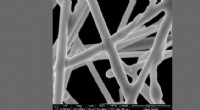
Microscopy is widely used in forensic investigations to analyze trace evidence, such as fibers, hair, and fingerprints. By comparing these microscopic features with samples, forensic scientists can gather valuable information to identify suspects and link them to crime scenes.
8. Nanotechnology and Drug Development:
Microscopy techniques have become an essential tool in nanotechnology, enabling scientists to manipulate and observe individual atoms and molecules. In the field of drug development, microscopy helps in understanding the mechanism of action of drugs and their interactions with cells and tissues.
9. Microbiology and Immunology:
Microscopy techniques continue to be crucial in microbiology and immunology research, facilitating the study of host-microbe interaction, immune responses, and the mechanisms of infection. Microscopy allows researchers to visualize and characterize immune cells and pathogenic organisms in real time.
In conclusion, the technological advance brought by the development of microscopes have revolutionized scientific research and understanding across diverse field, including biology, medicine, material science, forensics, and technology. By providing a window into the microscopic world and enabling detailed observations at the cellular and molecular levels, microscopy has fostered ground breaking discoveries, contributed to medical advancements, and opened up new avenues of exploration across scientific disciplines.