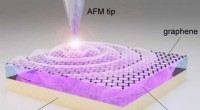
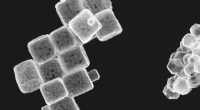
1. Mechanical Exfoliation:
- This method involves applying mechanical force, such as grinding or shear, to a graphite crystal.
- As the graphite layers are separated, graphene sheets can be released.
- The resulting graphene sheets may contain defects and imperfections due to the physical process.
2. Chemical Exfoliation:
- Chemical exfoliation involves using chemical reagents or solvents to break down the bonds between the graphene layers in graphite.
- Typically, strong oxidizing agents like acids or intercalation compounds are used to weaken and separate the graphene sheets.
- This method can produce high-quality graphene with fewer defects compared to mechanical exfoliation.
Other techniques for forming graphene include chemical vapor deposition (CVD), epitaxial growth, and liquid-phase exfoliation. CVD involves depositing carbon atoms on a substrate, while epitaxial growth is the process of growing graphene directly on a suitable crystalline surface. Liquid-phase exfoliation involves dispersing graphene sheets in a solvent.
The choice of graphene formation method depends on the desired properties and applications of the resulting graphene material. Each technique has its own advantages and disadvantages in terms of scalability, efficiency, and cost-effectiveness.