1. Antimicrobial Activity:
Carbon nanotubes have inherent antimicrobial properties due to their high surface area and nanoscale dimensions. The surface of carbon nanotubes can interact with microbial cell walls, membranes, and proteins, disrupting their structure and function. This interaction can kill or inactivate bacteria, viruses, and fungi, demonstrating broad-spectrum antimicrobial activity.
2. Enhanced Disinfection:
Carbon nanotubes can be incorporated into various materials and surfaces to enhance disinfection capabilities. By coating medical instruments, hospital surfaces, or personal protective equipment (PPE) with carbon nanotubes, the risk of contamination and infection can be significantly reduced. The continuous antimicrobial effect of carbon nanotubes helps maintain a hygienic environment.
3. Water Purification:
Carbon nanotubes are highly effective in removing bacteria, viruses, and other contaminants from water sources. Their high surface area and ability to adsorb impurities allow for efficient water purification. Carbon nanotube membranes, filters, and other water treatment systems can provide clean and safe drinking water in regions with limited access to clean water.
4. Drug Delivery:
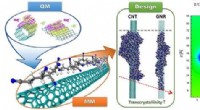
Carbon nanotubes can serve as efficient drug delivery vehicles for antimicrobial agents. Their hollow structure allows for encapsulation of drugs, which can be targeted specifically to the site of infection. This targeted drug delivery enhances the efficacy of antimicrobial agents while reducing systemic side effects.
5. Biosensing and Diagnostics:
Carbon nanotubes hold promise for biosensing applications in detecting pathogens. Functionalized carbon nanotubes can selectively bind to specific biomarkers associated with microorganisms. This enables rapid and sensitive detection of infections, facilitating early diagnosis and prompt treatment.
6. Wound Healing and Antibiofilm Agents:
Carbon nanotubes have shown potential in promoting wound healing and preventing biofilm formation. Their antimicrobial properties can inhibit bacterial colonization and infection in wounds, while their biocompatible nature supports tissue regeneration. This dual functionality makes carbon nanotubes promising candidates for wound dressings and other biomedical applications.
7. Synergistic Effects:
Carbon nanotubes can be combined with other antimicrobial agents or technologies to achieve synergistic effects. For instance, integrating carbon nanotubes with antimicrobial peptides or metal nanoparticles can enhance antimicrobial efficacy and overcome resistance mechanisms developed by microorganisms.
Despite their promising potential, further research is necessary to fully understand the mechanisms of action, toxicity, and long-term effects of carbon nanotubes in antimicrobial applications. Optimization of synthesis methods and careful consideration of potential risks will be crucial for the safe and effective translation of carbon nanotube-based technologies into clinical settings and real-world applications.
In conclusion, carbon nanotubes offer a wide range of possibilities in the fight against germs, from direct antimicrobial activity to enhancing disinfection, water purification, drug delivery, biosensing, wound healing, and more. As research progresses and challenges are addressed, carbon nanotubes may play a significant role in controlling the spread of infectious diseases and ensuring public health.