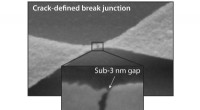
Exploration: Nanotechnology can be used to develop new and more sensitive sensors for detecting natural gas deposits, allowing for more accurate and efficient exploration efforts.
Extraction: Nanomaterials can be used to create new and more effective methods for extracting natural gas from underground reservoirs, such as through the use of nanoparticles that can penetrate and dissolve rock formations.
Transportation: Nanotechnology can be used to develop new materials for natural gas pipelines that are stronger, more durable, and more resistant to leaks, reducing the risk of accidents and environmental contamination.
Storage: Nanotechnology can be used to develop new materials for storing natural gas, such as through the use of nanostructured materials that can adsorb and release gas molecules.
Utilization: Nanotechnology can be used to develop new and more efficient ways of using natural gas, such as through the use of nanocatalysts that can improve the efficiency of natural gas-powered vehicles or the use of nanoparticles to enhance the combustion of natural gas.
Environmental impact: Nanotechnology could also help reduce the environmental impact of the natural gas industry by enabling new and more effective methods for capturing and storing carbon dioxide emissions.
Overall, nanotechnology has the potential to transform the natural gas industry by enabling new and more efficient technologies for exploration, extraction, transportation, storage, and utilization, as well as reducing the environmental impact of natural gas production and use.