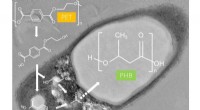
Economical Production: Nanotubes synthesized by bacteria offer a cost-effective alternative to traditional methods. Bacteria can grow and produce nanotubes using inexpensive substrates and culture media, making the production process more economical compared to conventional chemical or physical methods.
Scalability: Bacteria can be easily scaled up for large-scale production of nanotubes. Bacteria can rapidly multiply and produce nanotubes in high quantities when provided with appropriate growth conditions. This scalability allows for the continuous production of nanotubes to meet industrial demands.
Biocompatibility: Nanotubes synthesized by bacteria are often biocompatible and environmentally friendly. Bacteria can produce nanotubes using bio-based materials and under mild conditions, reducing the use of harsh chemicals or toxic precursors. This biocompatibility opens up possibilities for applications in biomedical devices, drug delivery systems, and other sensitive areas where biocompatibility is essential.
Functionalization: Bacteria can produce nanotubes with specific surface chemistries and functional groups. By genetically modifying the bacteria or manipulating the growth conditions, it is possible to tailor the properties and functionality of the nanotubes. This functionalization allows for the development of nanotubes with desired characteristics for various applications, such as electronic devices, energy storage, and composite materials.
Diverse Applications: Nanotubes produced by bacteria have shown potential in a wide range of applications, including:
- Electronics: Nanotubes can be used as conductive materials in electronic devices, sensors, and circuits.
- Energy Storage: Nanotubes can enhance the performance of batteries and supercapacitors due to their high surface area and conductivity.
- Environmental Remediation: Nanotubes can be used for water purification, air pollution control, and soil remediation due to their adsorption and catalytic properties.
- Biomedicine: Nanotubes can be used as drug delivery vehicles, tissue engineering scaffolds, and biosensors due to their biocompatibility and functionalization capabilities.
Sustainability: Bacteria-based nanotube production offers a sustainable approach to manufacturing. Bacteria can use renewable resources as substrates and require less energy compared to traditional methods. Additionally, the biodegradability of bacterial nanotubes reduces environmental concerns associated with waste disposal.
While there are promising aspects to nanotube-producing bacteria, it's important to note that their full potential in manufacturing is still an active area of research and development. Challenges such as controlling the uniformity, yield, and purity of nanotubes, as well as optimizing production processes, need to be addressed to fully harness their manufacturing potential.