Platinum nanocages are three-dimensional structures made of platinum atoms arranged in a hollow, cage-like formation. These nanocages have attracted considerable attention in cancer research due to their ability to enhance the delivery of therapeutic agents and their inherent catalytic properties.
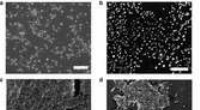
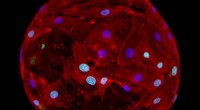
In this study, the researchers investigated how platinum nanocages interact with cancer cells and induce cell death. They used a combination of advanced imaging techniques, cellular assays, and computational modeling to elucidate the underlying mechanisms.
The findings revealed that platinum nanocages selectively target cancer cells and enter them through a process known as endocytosis. Once inside the cells, the nanocages release reactive oxygen species (ROS), which are highly oxidizing molecules that can cause cellular damage. This oxidative stress leads to the disruption of cellular structures and ultimately results in cell death.
Interestingly, the researchers also discovered that the catalytic activity of platinum nanocages plays a crucial role in their cytotoxic effects. The platinum atoms on the surface of the nanocages can catalyze the decomposition of hydrogen peroxide, a naturally occurring molecule in cells, into highly reactive hydroxyl radicals. These hydroxyl radicals further amplify the oxidative stress and contribute to cell death.
The study also highlighted the importance of the nanocage structure in their therapeutic efficacy. The hollow interior of the nanocages allows for the encapsulation of therapeutic agents, such as drugs or imaging agents, which can be delivered directly to cancer cells. This targeted delivery enhances the effectiveness of the treatment and reduces systemic side effects.
Overall, the study unveils the intricate mechanisms by which platinum nanocages induce cancer cell death. These findings underscore the potential of platinum nanocages as a promising nanomedicine platform for targeted cancer therapy. Further research is warranted to explore the clinical translation of platinum nanocages and optimize their therapeutic applications.