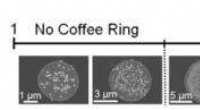
Optical microscopy: Optical microscopy is a technique that uses visible light to magnify objects. It can be used to count nanoparticles if they are large enough to be visible in the microscope's field of view. However, optical microscopy is limited by the diffraction of light, which means that it cannot be used to count nanoparticles smaller than about 200 nm.
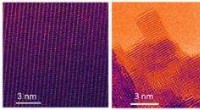
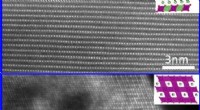
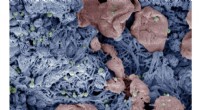
Electron microscopy: Electron microscopy is a technique that uses a beam of electrons to magnify objects. It can be used to count nanoparticles smaller than the diffraction limit of light, down to a size of about 1 nm. However, electron microscopy is a destructive technique, which means that the nanoparticles must be prepared for imaging in a vacuum.
Atomic force microscopy: Atomic force microscopy (AFM) is a technique that uses a sharp probe to scan the surface of a sample. It can be used to count nanoparticles by measuring the height and shape of the particles. AFM is a non-destructive technique, but it is limited by the size of the probe, which can only be used to count nanoparticles larger than about 10 nm.
Flow cytometry: Flow cytometry is a technique that uses a laser to measure the physical characteristics of particles as they flow in a stream of fluid. It can be used to count nanoparticles by measuring their size, shape, and fluorescence. Flow cytometry is a relatively fast and inexpensive technique, but it is limited by the size of the particles that can be measured, which is typically between about 100 nm and 10 µm.
In addition to these techniques, there are a number of other methods that can be used to count nanoparticles. The choice of technique depends on the size, shape, and concentration of the nanoparticles, as well as the desired level of accuracy and precision.