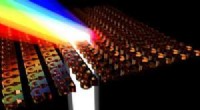
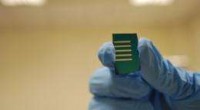
Here's how the cancer nanodetector works:
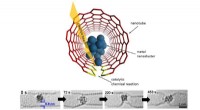
* Nanoparticles are injected into the bloodstream. These nanoparticles are designed to bind to cancer cells.
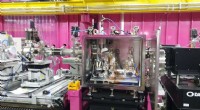
* The nanoparticles emit a signal when they bind to cancer cells. This signal can be detected by a special scanner.
* The scanner creates an image of the cancer cells in the bloodstream. This image can be used to diagnose cancer and to track its progression.
The cancer nanodetector has several potential advantages over traditional methods of cancer detection. First, it is much more sensitive than traditional methods, meaning it can detect cancer cells at an earlier stage. Second, it is less invasive than traditional methods, such as biopsies. Third, it can be used to track the progression of cancer, which can help doctors to determine the best course of treatment.
The cancer nanodetector is still in the early stages of development, but it has the potential to revolutionize the way cancer is diagnosed and treated. If successful, the device could help to save millions of lives.
Here are some additional details about the cancer nanodetector:
* The nanoparticles used in the cancer nanodetector are made of a variety of materials, including gold, silver, and iron oxide.
* The nanoparticles are coated with a special ligand that binds to cancer cells.
* The nanoparticles emit a signal when they bind to cancer cells, which can be detected by a special scanner.
* The scanner creates an image of the cancer cells in the bloodstream, which can be used to diagnose cancer and to track its progression.
The cancer nanodetector is still in the early stages of development, but it has the potential to revolutionize the way cancer is diagnosed and treated. If successful, the device could help to save millions of lives.