DNA is the molecule that carries genetic information in all living things. It is made up of a chain of nucleotides, each of which consists of a sugar molecule, a phosphate molecule, and a nitrogenous base. The sequence of these bases along the DNA chain determines the genetic code.
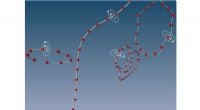
DNA nanoswitches are synthetic DNA molecules that can be programmed to change their structure in response to a specific stimulus. This makes them useful for studying the interactions between DNA and other molecules, such as proteins and RNA.
In a recent study, researchers used DNA nanoswitches to investigate how the transcription factor p53 binds to DNA. p53 is a tumor suppressor protein that plays a critical role in preventing cancer. It binds to specific DNA sequences and activates the expression of genes that are involved in cell cycle arrest and DNA repair.
The researchers designed a DNA nanoswitch that contained the p53 binding site. When p53 bound to the nanoswitch, it caused a conformational change that was detected by fluorescence microscopy. This allowed the researchers to measure the binding affinity of p53 to the DNA nanoswitch and to identify the specific molecular interactions that are involved in this process.
The study provides new insights into the molecular mechanisms by which DNA-binding proteins interact with DNA. This information could be used to develop new drugs that target these proteins and treat diseases such as cancer.
Significance
DNA nanoswitches are a powerful tool for studying the interactions between DNA and other molecules. They can be used to investigate the molecular mechanisms of gene regulation, DNA repair, and other cellular processes. This information could be used to develop new drugs that target these processes and treat diseases such as cancer.
In addition, DNA nanoswitches could be used to create new materials and devices. For example, they could be used to design self-assembling nanostructures or to create biosensors that detect specific molecules. The potential applications of DNA nanoswitches are vast and they are still being explored.