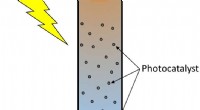
Water Purification: CNTs can effectively remove pollutants, heavy metals, bacteria, and viruses from water sources. Their high surface area and unique adsorption properties enable them to capture contaminants efficiently. By utilizing CNT-based filtration systems, contaminated water can be purified, providing access to clean drinking water.
Desalination: CNTs can be utilized in desalination processes to remove salt from seawater and produce fresh water. CNT membranes can act as efficient semipermeable barriers, allowing water molecules to pass through while rejecting salt ions. This technology offers an alternative to energy-intensive conventional desalination methods and can provide a sustainable source of freshwater in regions with limited access to fresh water.
Water Treatment: CNTs can enhance water treatment processes by improving coagulation, flocculation, and sedimentation. Their ability to form stable networks and interact with pollutants facilitates the removal of impurities and suspended particles. CNTs can also be functionalized to target specific contaminants, making them highly efficient in water treatment applications.
Sensing and Monitoring: CNTs can be integrated into sensors for real-time monitoring of water quality. Their unique electrical and optical properties enable the detection of contaminants, pollutants, and changes in water chemistry. CNT-based sensors can provide early warning systems, allowing for prompt action to address water quality issues and prevent contamination.
Water Conservation: CNTs can contribute to water conservation by improving the efficiency of water distribution systems. By utilizing CNT-based coatings and membranes, water loss due to leakage and evaporation can be minimized. CNTs can also enhance water storage capacity by enabling the development of advanced water storage materials with high water retention capabilities.
Energy-Efficient Water Technologies: CNTs can play a role in developing energy-efficient water technologies. Their exceptional thermal and electrical properties can improve the efficiency of water desalination, purification, and treatment processes. CNT-based systems can reduce energy consumption and operating costs, making water treatment more sustainable.
CNTs in Developing Countries: Engineered carbon nanotubes can be particularly impactful in developing countries and remote areas with limited access to clean water. Their versatility and effectiveness in water purification, desalination, and treatment make them suitable for decentralized and portable water systems, providing safe drinking water to underserved communities.
While engineered carbon nanotubes hold great potential in addressing the water crisis, it's important to note that further research and development are needed to optimize their performance, address potential environmental and health concerns, and ensure their cost-effectiveness.