1. Substrate Preparation:
- Choose a suitable substrate material, such as copper foil or nickel foil.
- Clean the substrate to remove any contaminants.
2. Catalyst Deposition:
- Deposit a thin layer of a catalyst metal (e.g., copper or nickel) on the substrate surface using techniques like sputtering, evaporation, or chemical vapor deposition.
3. Carbon Source Introduction:
- Introduce a carbon source into the growth chamber, typically in the form of a hydrocarbon gas (e.g., methane, ethylene).
4. Growth Conditions:
- Heat the substrate to an elevated temperature (typically between 800°C and 1200°C).
- Control the flow rates of the carbon source and carrier gases (e.g., hydrogen or argon).
- Maintain specific growth conditions to promote the formation of a continuous graphene layer.
5. Growth Monitoring:
- Monitor the growth process in real-time using techniques such as optical microscopy or scanning tunneling microscopy (STM).
6. Termination and Cooling:
- After reaching the desired graphene coverage, stop the carbon source flow and allow the system to cool down to room temperature.
7. Transfer (optional):
- In cases where graphene is grown on a sacrificial substrate, it can be transferred to a different substrate for further processing or characterization.
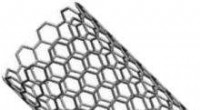
By carefully controlling the growth conditions, it's possible to achieve large-area, high-quality graphene films. These continuous rolls of graphene have potential applications in various fields, including electronics, energy storage, optoelectronics, and composite materials.