1. Cytotoxicity: Silver nanoparticles can interact with biological systems and cause cellular damage. They may induce oxidative stress, leading to the production of reactive oxygen species (ROS) and subsequent damage to cellular components, including DNA, proteins, and lipids. This can result in cell death, inflammation, and tissue damage.
2. Genotoxicity: Silver nanoparticles have been found to cause genetic damage, including DNA strand breaks, mutations, and chromosomal aberrations. These effects can disrupt cellular functions and potentially contribute to the development of diseases like cancer.
3. Neurotoxicity: Silver nanoparticles can cross the blood-brain barrier and accumulate in the brain. Studies have shown that they can cause neuronal damage, oxidative stress, and inflammation in the brain. This may lead to neurological effects, including cognitive impairment, motor deficits, and changes in behavior.
4. Reproductive Toxicity: Silver nanoparticles have been reported to affect male and female reproductive systems. In males, they may reduce sperm count, motility, and fertility. In females, they can impact the development of eggs and cause reproductive disorders.
5. Environmental Impact: Silver nanoparticles can be released into the environment through various sources, including industrial processes, wastewater treatment, and consumer products. They can accumulate in soil, water, and organisms, potentially affecting ecosystem dynamics and biodiversity. They may also have toxic effects on aquatic organisms, disrupting their growth, reproduction, and behavior.
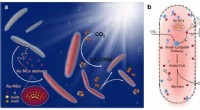
6. Antimicrobial Resistance: Silver nanoparticles have potent antimicrobial properties. However, their use and release into the environment can contribute to the development of antimicrobial resistance. Microorganisms can develop resistance mechanisms against silver nanoparticles, reducing their effectiveness as antimicrobial agents.
It's important to note that the toxicity of silver nanoparticles depends on various factors, including their size, shape, surface coating, concentration, and exposure conditions. Further research is needed to fully understand the potential risks associated with silver nanoparticles and develop strategies to minimize their harmful effects while harnessing their beneficial properties.