Fuel cells are electrochemical devices that convert chemical energy directly into electrical energy. They are considered a promising alternative to conventional internal combustion engines due to their efficiency, low emissions, and relatively quiet operation. However, the development of low-cost and high-performance fuel-cell cathodes has been a challenge.
One promising approach for improving cathode performance is to use nanomaterials, which have unique properties that can enhance the electrochemical reactions that take place in the fuel cell. In particular, nanomaterials can provide a high surface area for the reaction to occur, which can increase the efficiency of the fuel cell.
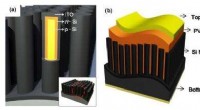
The researchers in this study focused on optimizing the synthesis of nanomaterials made from platinum and cobalt, which are commonly used as cathode materials in fuel cells. They used a technique called pulsed electrodeposition to deposit the nanomaterials onto a substrate, and they varied the deposition conditions to control the size, shape, and composition of the nanomaterials.
By optimizing the deposition conditions, the researchers were able to produce nanomaterials with a high surface area and a uniform distribution of platinum and cobalt. These nanomaterials showed improved performance as fuel-cell cathodes compared to conventional materials, demonstrating the potential for improved fuel-cell efficiency and reduced costs.
The study provides valuable insights into the synthesis of nanomaterials for fuel-cell cathodes and opens up new possibilities for the development of high-performance fuel cells. Further research is needed to scale up the production of these nanomaterials and to integrate them into practical fuel-cell systems.