Introduction
Proton conducting membranes (PCMs) are a key component of many green technologies, such as fuel cells and electrolyzers. These devices use hydrogen as a clean fuel, and PCMs are used to conduct protons between the hydrogen electrodes. However, the development of new PCMs that are more efficient and durable is essential for the advancement of these technologies.
Atomically Thin Minerals
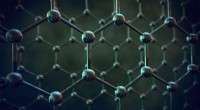
Atomically thin minerals, such as graphene and hexagonal boron nitride (h-BN), have shown great promise as PCMs. These materials are made up of a single layer of atoms, and they have a number of properties that make them ideal for this application.
* High proton conductivity: Atomically thin minerals have a high concentration of hydrogen atoms, which allows them to conduct protons very efficiently.
* Chemical stability: Atomically thin minerals are extremely chemically stable, which means they can withstand the harsh conditions of fuel cells and electrolyzers.
* Mechanical strength: Atomically thin minerals are very strong, which allows them to withstand the stresses of use in fuel cells and electrolyzers.
Applications
Atomically thin minerals have been shown to be effective PCMs in a number of applications, including:
* Fuel cells: Atomically thin mineral membranes have been shown to improve the performance of fuel cells by increasing the proton conductivity and reducing the cell resistance.
* Electrolyzers: Atomically thin mineral membranes have been shown to improve the performance of electrolyzers by increasing the hydrogen production rate and reducing the energy consumption.
* Water purification: Atomically thin mineral membranes have been shown to be effective in purifying water by removing impurities such as bacteria and viruses.
Conclusion
Atomically thin minerals have shown great promise as PCMs for a number of green technologies. These materials have a number of properties that make them ideal for this application, and they have been shown to be effective in a number of applications. As research in this area continues, atomically thin minerals are expected to play an increasingly important role in the development of new green technologies.