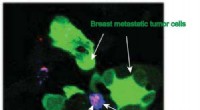
mRNA technology: The development of messenger RNA (mRNA) vaccines and therapeutics has revolutionized the field of medicine. mRNA technology involves using synthetic mRNA molecules to instruct cells to produce specific proteins, offering a promising approach for treating various diseases. Scientists involved in the development and application of mRNA technology, such as Katalin Kariko and Drew Weissman, could be considered potential candidates for the Nobel Prize in Chemistry.
Sequencing technologies: Advances in DNA sequencing technologies have revolutionized biological research and enabled significant progress in areas such as genomics, personalized medicine, and ancient DNA studies. Researchers who have made groundbreaking contributions to the field of DNA sequencing, such as the development of next-generation sequencing methods or single-molecule sequencing techniques, could be recognized with the Nobel Prize in Chemistry.
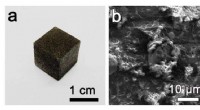
Nanocrystals and materials science: Nanocrystals and other advanced materials have attracted considerable interest due to their unique properties and potential applications in various fields, including energy storage, catalysis, electronics, and medicine. Scientists involved in the synthesis, characterization, and application of nanocrystals, such as Xiaoyang Zhu or Chad Mirkin, could be potential candidates for the Nobel Prize in Chemistry.
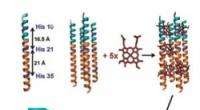
Biocatalysis and green chemistry: The development of efficient and sustainable catalytic systems using enzymes or biomimicking approaches has become increasingly important for addressing environmental challenges and developing more efficient industrial processes. Scientists who have made significant contributions to biocatalysis or green chemistry, such as David MacMillan or Eric Jacobsen, could be considered potential candidates for the Nobel Prize in Chemistry.
It is important to note that predicting the exact winner of the Nobel Prize in Chemistry remains uncertain, and there are numerous other outstanding researchers and discoveries that could be recognized with the prize. The Nobel Prize committee's decision will be based on careful evaluation and selection among many worthy candidates.