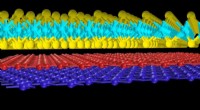
When graphene is in close proximity to other atoms or materials, the electronic properties of graphene can be significantly altered. This is due to the interaction between the graphene layer and the neighboring atoms or materials, which can lead to changes in the electronic band structure and charge carrier scattering.
One of the most prominent effects of proximity on the resistance of graphene is the phenomenon of charge transfer. When graphene is in contact with a metal, for example, charge carriers (electrons or holes) can be transferred from the metal to graphene or vice versa. This charge transfer can alter the Fermi level of graphene, which in turn affects the electrical resistance.
Another important factor that influences the resistance of graphene is the presence of defects or impurities in the graphene layer. Defects can act as scattering centers for charge carriers, leading to an increase in the electrical resistance. The type and density of defects can significantly impact the electrical properties of graphene.
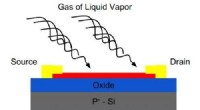
The proximity of dielectric materials to graphene can also affect its resistance. Dielectric materials can induce a polarization charge in graphene, which can modify the charge carrier concentration and scattering. This effect is particularly important in graphene-based field-effect transistors, where the gate dielectric plays a crucial role in controlling the electrical properties of graphene.
In summary, the proximity of other atoms, materials, or defects can significantly affect the resistance of graphene. Understanding and controlling these proximity effects is essential for optimizing the performance of graphene-based electronic devices and harnessing the full potential of this remarkable material.