1. Gene Expression Regulation:
- CRISPR can modulate gene expression without altering the DNA sequence. By targeting specific promoter or enhancer regions, scientists can increase or decrease gene activity, aiding in studying gene function and developing therapies for diseases caused by gene dysregulation.
2. Epigenetic Modifications:
- CRISPR-based technologies like CRISPR-dCas9 can selectively modify epigenetic marks, allowing for precise control of gene expression patterns. This holds promise for treating diseases associated with epigenetic abnormalities, such as certain cancers.
3. Viral Infection Control:
- CRISPR systems can be engineered to specifically target and cleave viral RNA or DNA, making them promising tools for developing new antiviral therapies. CRISPR-based approaches have shown efficacy against a wide range of viruses, including HIV, hepatitis B, and herpes simplex virus.
4. Cancer Immunotherapy:
- CRISPR can modify immune cells (such as T cells) to enhance their ability to recognize and eliminate cancer cells. By engineering T cells to express specific chimeric antigen receptors (CARs) using CRISPR, immunotherapies can be developed for various types of cancer.
5. Disease Diagnostics:
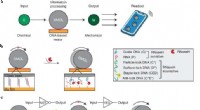
- CRISPR-based methods have been developed for pathogen detection and genetic disease diagnostics. These techniques offer rapid, sensitive, and cost-effective diagnostic tools, empowering healthcare professionals with precise diagnostic capabilities.
6. Crop Improvement:
- CRISPR has become a powerful tool for precision plant breeding, facilitating the development of crops with desired traits, such as enhanced disease resistance, higher yields, and improved nutritional content.
7. Animal Models and Research:
- CRISPR enables precise genetic modifications in animal models, opening up new possibilities for studying human diseases, developmental processes, and gene function in greater detail.
8. Environmental Applications:
- CRISPR could potentially contribute to bioremediation efforts by targeting and altering specific genes in microbes to biodegrade pollutants or mitigate environmental issues.
The diverse applications of CRISPR extend well beyond its initial purpose as a gene-editing tool. It is revolutionizing medicine, agriculture, biotechnology, and other fields by introducing groundbreaking capabilities for genetic manipulation, gene regulation, and biomedical interventions. Researchers are continually exploring new and innovative ways to harness the power of CRISPR to drive progress and benefit society across various disciplines.