A research team led by scientists at the National University of Singapore (NUS) has developed a new type of nanozyme that can generate singlet oxygen in a hypoxic environment. This breakthrough could lead to the development of more effective cancer treatments and other applications that require the production of singlet oxygen.
Singlet oxygen is a highly reactive form of oxygen that can damage cells and DNA, making it a promising therapeutic agent for cancer and other diseases. However, most conventional methods for generating singlet oxygen require the presence of oxygen, which limits their effectiveness in hypoxic environments such as solid tumors.
The NUS team's new nanozyme is based on a single atom of iron embedded in a carbon matrix. This nanozyme can efficiently generate singlet oxygen even in the absence of oxygen, making it a promising candidate for hypoxia-tolerant cancer therapies.
In addition to its potential for cancer treatment, the new nanozyme could also be used in other applications that require the production of singlet oxygen, such as water purification and disinfection.
The findings of the NUS team were published in the journal Nature Nanotechnology.
Background
Singlet oxygen is a highly reactive form of oxygen that has two unpaired electrons. This makes it much more reactive than the more common triplet oxygen, which has two paired electrons. Singlet oxygen can react with a variety of molecules in cells, including DNA, proteins, and lipids, causing damage that can lead to cell death.
Singlet oxygen is produced naturally in the body by a variety of enzymes, including NADPH oxidase and xanthine oxidase. However, the production of singlet oxygen is often tightly regulated, as it can be harmful to cells.
In recent years, there has been growing interest in using singlet oxygen as a therapeutic agent for cancer and other diseases. Singlet oxygen can kill cancer cells by damaging their DNA and other cellular components. However, most conventional methods for generating singlet oxygen require the presence of oxygen, which limits their effectiveness in hypoxic environments such as solid tumors.
The NUS team's new nanozyme
The NUS team's new nanozyme is based on a single atom of iron embedded in a carbon matrix. This nanozyme can efficiently generate singlet oxygen even in the absence of oxygen, making it a promising candidate for hypoxia-tolerant cancer therapies.
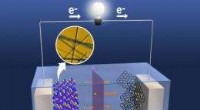
The nanozyme works by using the iron atom to catalyze the reaction of hydrogen peroxide and bicarbonate to form singlet oxygen. This reaction does not require oxygen, so the nanozyme can still produce singlet oxygen in hypoxic environments.
Potential applications
The NUS team's new nanozyme could have a number of potential applications in cancer treatment and other areas. Some potential applications include:
* Cancer therapy: The nanozyme could be used to deliver singlet oxygen directly to cancer cells, killing them while leaving healthy cells unharmed.
* Water purification: Singlet oxygen can be used to kill bacteria and other microorganisms in water, making it a potential water purification agent.
* Disinfection: Singlet oxygen can also be used to disinfect surfaces, making it a potential tool for infection control.
The NUS team is currently working to further develop their nanozyme and explore its potential applications.