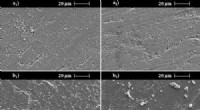
Fiber Length: The length of the fibers used in the manufacturing process plays a significant role in microfiber shedding. Shorter fibers are more prone to shedding compared to longer fibers. Using longer staple fibers or filaments can help reduce microfiber release.
Twist Level: The tightness of the twist in the yarn affects microfiber shedding. A higher twist level creates a more compact and structured yarn, reducing fiber-to-fiber friction and, consequently, microfiber shedding.
Weave Structure: The type of weave employed in the fabric construction can influence microfiber release. Woven fabrics generally shed fewer microfibers compared to knitted fabrics due to their more stable structure.
Fiber Surface Treatment: Applying certain surface treatments, such as silicone softeners or anti-static agents, can reduce microfiber shedding by lubricating the fibers and minimizing friction between them.
Fiber Blending: Blending different types of fibers, such as natural and synthetic fibers, can impact microfiber shedding behavior. The combination of fibers with varying properties can influence the overall microfiber release characteristics of the fabric.
Yarn Construction: The way yarns are constructed, including the spinning method and ply structure, can affect microfiber shedding. Ring-spun yarns generally shed more microfibers compared to open-end or vortex-spun yarns, which have improved fiber cohesion.
Finishing Processes: Some textile finishing treatments, such as brushing or sanding, can increase microfiber shedding by creating loose fibers or damaging the fabric surface.