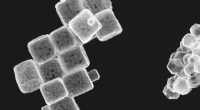
MNPs have a number of advantages over other types of nanoparticles for biomedical applications. They are highly magnetic, which means that they can be easily manipulated using magnets. They are also biocompatible, meaning that they can be safely used in the body. Additionally, MNPs can be functionalized with a variety of targeting ligands, which allows them to be delivered to specific tissues or cells.
MNPs are used in a variety of biomedical applications, including:
* Magnetic resonance imaging (MRI). MNPs can be used as contrast agents in MRI, which allows for better visualization of certain tissues and organs.
* Magnetic drug delivery. MNPs can be used to deliver drugs to specific tissues or cells. This can improve the efficacy of drugs and reduce their side effects.
* Magnetic hyperthermia. MNPs can be used to generate heat when exposed to an alternating magnetic field. This heat can be used to kill cancer cells or to stimulate tissue growth.
* Magnetic cell separation. MNPs can be used to separate cells based on their magnetic properties. This can be used to isolate rare cells or to remove unwanted cells from a population.
MNPs are a promising new technology with a wide range of potential applications in biomedicine. As research continues, new and innovative ways to use MNPs will likely be developed, leading to even greater benefits for patients.
Here are some specific examples of how MNPs are used in biomedical applications:
* Magnetic resonance imaging (MRI). MNPs can be used as contrast agents in MRI, which allows for better visualization of certain tissues and organs. For example, MNPs can be used to enhance the visibility of tumors, blood vessels, and lymph nodes.
* Magnetic drug delivery. MNPs can be used to deliver drugs to specific tissues or cells. This can improve the efficacy of drugs and reduce their side effects. For example, MNPs can be used to deliver chemotherapy drugs directly to cancer cells, sparing healthy cells from the toxic effects of the drugs.
* Magnetic hyperthermia. MNPs can be used to generate heat when exposed to an alternating magnetic field. This heat can be used to kill cancer cells or to stimulate tissue growth. For example, magnetic hyperthermia can be used to treat prostate cancer, liver cancer, and brain tumors.
* Magnetic cell separation. MNPs can be used to separate cells based on their magnetic properties. This can be used to isolate rare cells or to remove unwanted cells from a population. For example, magnetic cell separation can be used to isolate stem cells from bone marrow or to remove red blood cells from a blood sample.
These are just a few examples of the many ways that MNPs are used in biomedical applications. As research continues, new and innovative ways to use MNPs will likely be developed, leading to even greater benefits for patients.