Spiders, renowned for their ability to produce strong and versatile silk, have captivated scientists for centuries. The silk, primarily composed of a protein called fibroin, is secreted from specialized glands and transformed into strong fibers through a complex process.
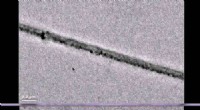
At the heart of this process lies a crucial step involving the assembly of fibroin molecules into elongated structures known as nanofibrils. These nanofibrils, acting as building blocks, ultimately form the strong silk fibers.
However, the exact mechanism behind the formation of these nanofibrils remained enigmatic. To unravel this mystery, researchers employed a combination of advanced microscopy techniques and molecular simulations.
Using high-resolution cryo-electron microscopy, the researchers captured detailed images of the fibroin molecules as they assemble into nanofibrils. These images revealed the intricate arrangement of the molecules, providing unprecedented insights into the molecular architecture of spider silk.
Further, the researchers employed molecular simulations to complement their experimental observations. These simulations allowed them to model the interactions between fibroin molecules and decipher the forces driving the self-assembly process.
By combining experimental data and computational modeling, the researchers successfully unraveled the critical step in silk spinning, elucidating the mechanism by which fibroin molecules organize into nanofibrils.
This groundbreaking research not only deepens our understanding of spider silk formation but also holds promise for the development of new bio-inspired materials with exceptional strength and versatility.
The insights gained from this study pave the way for future innovations in fields such as tissue engineering, drug delivery, and advanced textiles, where mimicking the remarkable properties of spider silk could lead to groundbreaking applications.
As researchers continue to unravel the secrets of nature's remarkable creations, the potential to harness their ingenuity for the benefit of humanity remains boundless.