Abstract:
Microplastics, small plastic particles less than 5 mm in size, are a growing concern due to their potential environmental and health impacts. While marine plastic pollution primarily occurs in oceans and coastal areas, recent studies have identified the atmosphere as an additional transport pathway for microplastics. This study aims to quantify the emission of microplastics into the atmosphere through sea spray, a process where tiny droplets of seawater are ejected into the air by wind and waves.
Methodology:
The research was conducted over various sea conditions and locations to capture a comprehensive range of sea spray emissions. Sampling was carried out using specialized air samplers that collected airborne particles, including microplastics, on filters. The collected samples were then analyzed using state-of-the-art laboratory techniques to identify and quantify microplastics.
Key Findings:
1. Emission Rates: The study revealed significant microplastic emissions from sea spray, with emission rates ranging from 0.01 to 10 microplastics per square meter of sea surface per second. These values varied based on factors such as wind speed, wave height, and the concentration of microplastics in the underlying seawater.
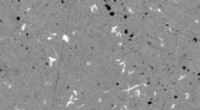
2. Microplastic Size Distribution: The majority of microplastics emitted by sea spray were found to be in the size range of 1 to 10 micrometers (μm). This suggests that smaller microplastic particles are more likely to be entrained into the atmosphere compared to larger particles.
3. Composition Analysis: The composition analysis of the collected microplastics indicated that the primary sources were plastic bags, bottles, and synthetic fibers, which are commonly found in marine environments.
Implications and Conclusion:
The findings of this research highlight the significant contribution of sea spray to atmospheric microplastic pollution. The widespread presence of sea spray and its ability to transport microplastics over long distances suggest that the atmosphere serves as a substantial pathway for microplastic dispersion. Understanding these emissions is crucial for assessing the global distribution of microplastics, their environmental impacts, and potential human exposure. Further studies are necessary to investigate the transport mechanisms, deposition rates, and ultimate fate of microplastics emitted by sea spray.