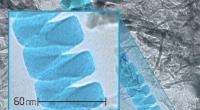
Direct penetration: Nanotubes can physically puncture the cell membrane and enter the cell directly. This mechanism is likely to occur when the nanotubes are sharp and have a small diameter, allowing them to pierce through the cell membrane with minimal resistance.
Membrane wrapping: In some cases, rather than puncturing the cell membrane, nanotubes may become entangled with the membrane and eventually be engulfed by the cell through a process called phagocytosis. In phagocytosis, the cell membrane extends around the foreign particle, forming a vesicle that encloses the particle and brings it into the cell.
Adsorption and endocytosis: Nanotubes can also be taken up by cells through a process called endocytosis. In endocytosis, the cell membrane invaginates to form a pocket that surrounds the nanotube. The pocket then pinches off from the cell membrane, creating a vesicle that contains the nanotube. Depending on the type of endocytosis, different types of vesicles are formed, such as clathrin-coated pits, caveolae, or macropinosomes.
Carrier-mediated transport: Nanotubes can also be transported into cells by specific carrier proteins or receptors present on the cell membrane. These carrier proteins or receptors recognize and bind to specific molecules or ligands on the surface of the nanotubes. Once bound, the nanotubes are internalized into the cell along with the carrier protein or receptor.
The mechanism of nanotube entry into cells may vary depending on factors such as the size, shape, surface properties, and functionalization of the nanotubes, as well as the cell type and environmental conditions. Further research is needed to fully understand the mechanisms of nanotube cellular uptake and to exploit these mechanisms for various biomedical applications.